The Truth of Boiled Eggs
Boiling eggs should be simple.
Water. Eggs. Heat. Done.
But somehow this turned into a ritual.
Poke the shell. Don’t poke it. Add vinegar. Add baking soda. Shake it. Stir it. Whisper to it.
So I tried all of it.
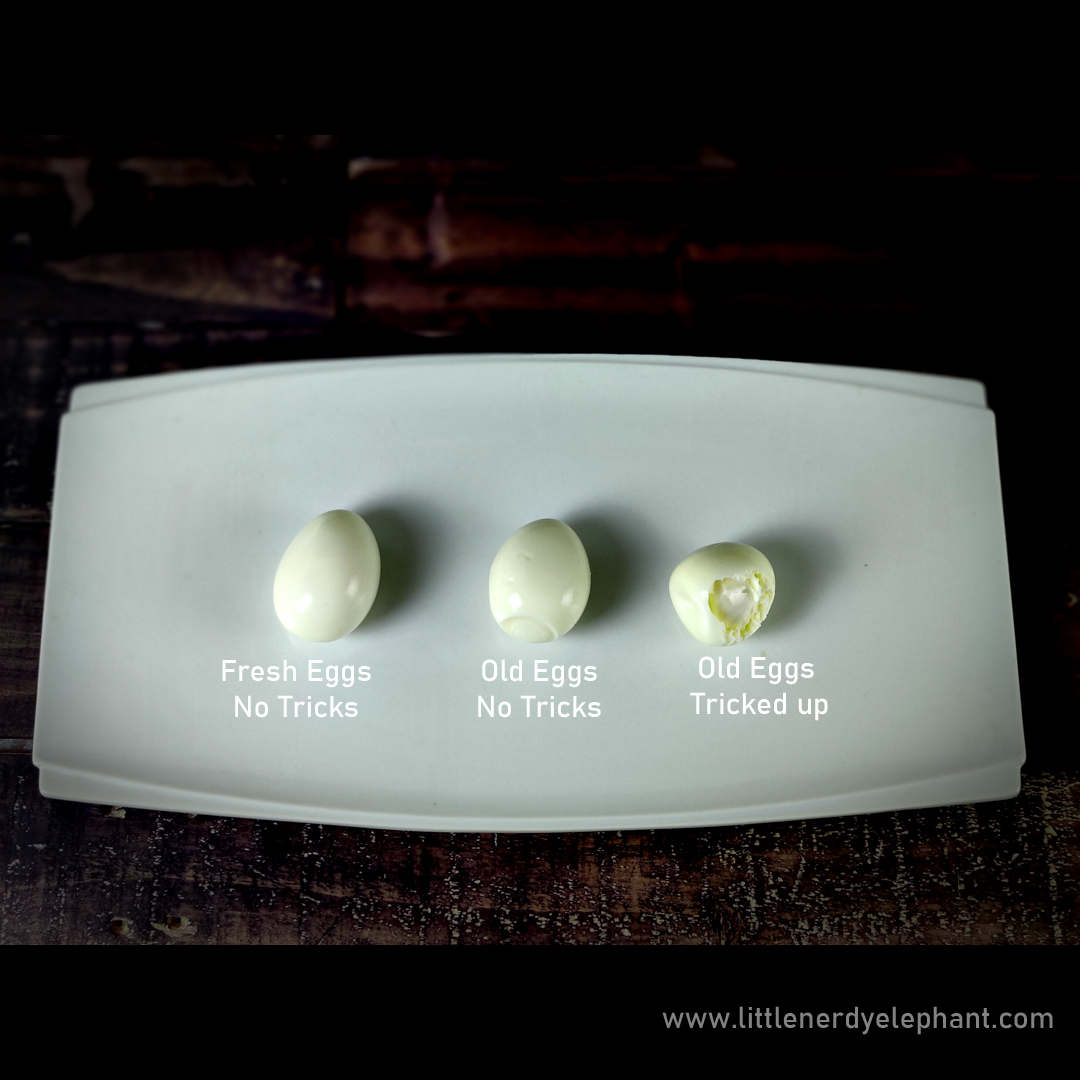
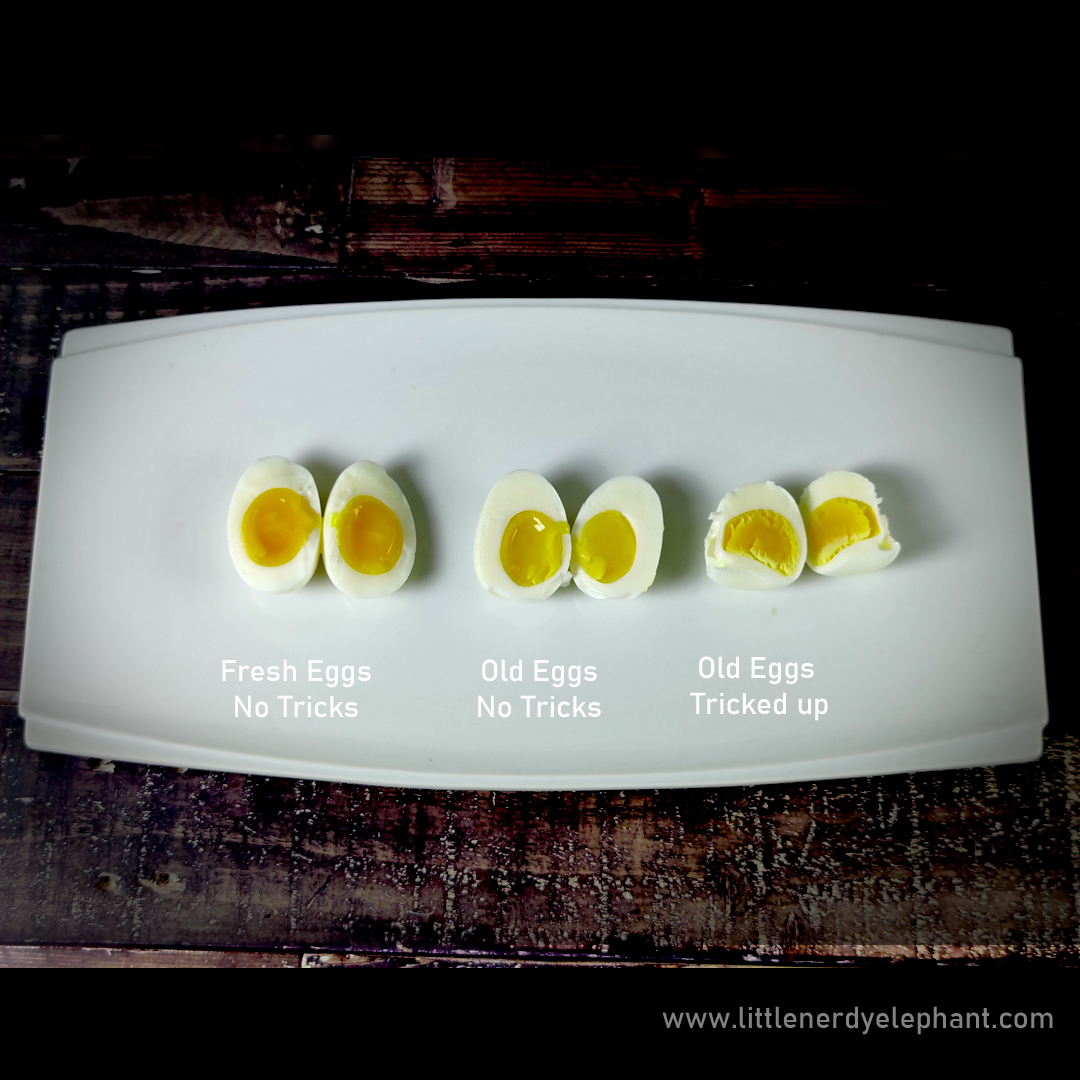
I poked holes. Stirred. Tried to center the yolk. Used older eggs. Then compared it to a brand new egg I left completely alone.
The result wasn’t close.
The “optimized” egg looked like absolute ass. Uneven. Overworked.
The untouched egg came out smooth, clean, and sliced perfectly.
No tricks. No drama.
That’s when it clicked.
Boiling eggs isn’t as controlled as people think. It’s not random, but it’s way noisier than people admit. And when something is noisy, people start inventing rituals to feel in control.
After all that, only a few things actually held up.
Cook time is the only variable that behaves like it should.
Seven to eight minutes gets you jammy. Nine to ten is set but still creamy. Eleven to twelve is fully cooked. Go past that and you’re in chalky, green-ring territory.
If your water doesn’t cover the eggs, put a lid on. Steam finishes the job without messing up your timing.
Ice bath immediately. Otherwise the egg keeps cooking and your timing means nothing.
Older eggs do have a bigger air pocket. But that just makes the egg uglier, not easier to peel.
If you care about presentation, cut with dental floss. Cleaner, sharper, no yolk drag.
Everything else? Underwhelming.
Poking holes didn’t matter. Shaking was inconsistent. Stirring wasn’t reliable. Vinegar and baking soda barely moved the needle.
This whole category is full of false precision.
People think if they stack enough little tricks together, they’ll get a perfect result. But most of those tricks don’t control anything important.
The only real strategy is to control what’s consistent. Time. Heat. Cooling.
And then stop messing with the egg.
The more I tried to control it, the worse it got.
Most of these “tips” aren’t solutions.
They’re just things to do while you wait.